Augmented Reality Applications: Augmented Reality (AR) is changing how we experience our environment. Unlike virtual reality, AR blends digital content with the real world, creating interactive and immersive experiences. This technology is no longer just a concept of the future. Instead, it is widely used across various sectors, reshaping how we work, learn, shop, and entertain ourselves.
In this article, we will explore key augmented reality applications and how they impact industries like education, healthcare, retail, and entertainment. Moreover, you will learn why AR is becoming essential for businesses and consumers alike.
What Is Augmented Reality?
Augmented Reality refers to technology that overlays computer-generated images, sounds, or other data onto the real world. It enhances users’ perception of reality by adding virtual elements through devices such as smartphones, tablets, AR glasses, or headsets.
Since AR combines digital information with physical surroundings, it provides a more engaging experience than traditional digital media. It helps users interact with both worlds simultaneously.
Key Applications of Augmented Reality
1. Education and Training
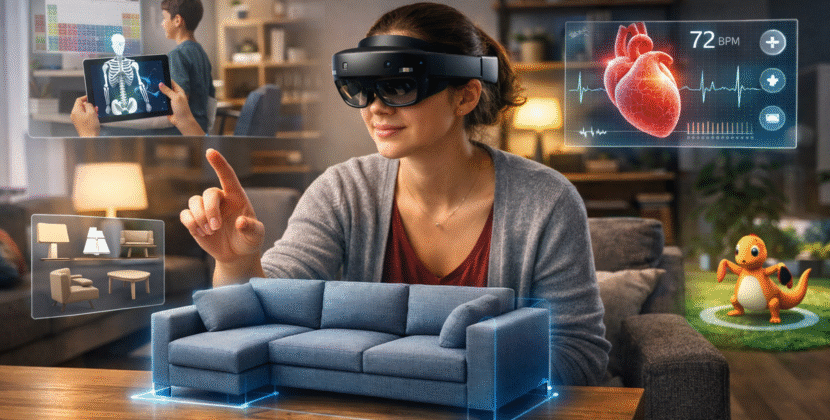
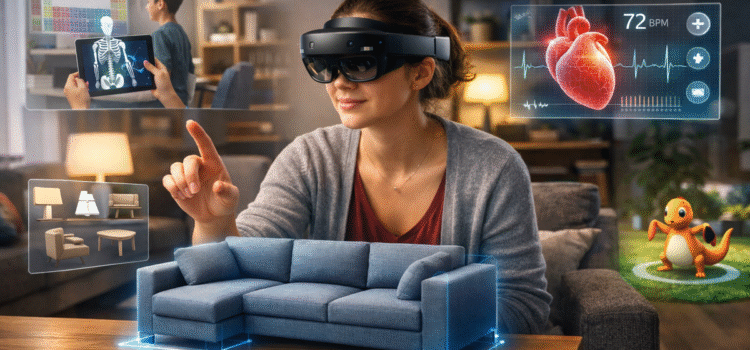
One of the most promising uses of AR is in education. It transforms learning from passive absorption to active engagement. For example, students can visualize complex scientific concepts in 3D, like the anatomy of the human body or molecular structures.
Additionally, AR-based training simulations allow professionals to practice skills safely. Medical students, for instance, can perform virtual surgeries with real-time guidance. This hands-on experience increases retention and builds confidence.
2. Healthcare and Medicine
Healthcare benefits greatly from augmented reality technology. AR assists surgeons during operations by projecting vital information directly onto their field of view. This reduces risks and improves precision.
Furthermore, AR supports patient care by offering interactive therapy sessions. Patients undergoing rehabilitation can perform guided exercises with immediate feedback, speeding up recovery.
3. Retail and E-Commerce
The retail industry is rapidly adopting AR to enhance shopping experiences. Customers can try on clothes, accessories, or makeup virtually without visiting stores. This reduces purchase hesitation and returns.
For example, furniture retailers use AR apps to let shoppers place virtual items in their homes. This helps visualize size, color, and fit before buying, increasing customer satisfaction.
4. Entertainment and Gaming
AR has revolutionized entertainment, particularly gaming. Titles like Pokémon Go introduced millions to location-based AR games, encouraging outdoor activity and social interaction.
Beyond games, AR powers immersive live events and interactive storytelling. It creates new ways for audiences to experience concerts, museums, and theme parks.
Benefits of Using Augmented Reality Applications
- Enhanced Engagement: AR grabs attention by making content interactive and visually appealing.
- Improved Learning: It offers immersive training that boosts understanding and memory.
- Better Decision Making: By visualizing products or procedures, users make informed choices.
- Cost Efficiency: AR training reduces the need for physical materials and resources.
- Increased Sales: Retailers see higher conversions thanks to personalized shopping experiences.
Challenges and Future Trends in AR Applications
Despite its advantages, AR still faces challenges. These include high development costs, hardware limitations, and user privacy concerns. However, continuous improvements in AR glasses, AI integration, and 5G connectivity are overcoming these barriers.
Looking ahead, AR is expected to merge more with Artificial Intelligence, making applications smarter and more adaptive. Mixed Reality (MR) and Extended Reality (XR) will further blur the lines between physical and digital worlds.
How Businesses Can Leverage AR Today
To stay competitive, businesses should consider adopting AR strategies that align with their goals. This might include:
- Creating AR product demos or virtual try-ons
- Developing training modules for employees using AR simulations
- Enhancing customer support with AR-guided troubleshooting
- Hosting AR-driven marketing campaigns to engage audiences
Companies that embrace augmented reality will improve customer satisfaction, operational efficiency, and brand loyalty.
Conclusion
Augmented reality applications are transforming numerous industries by enhancing interaction, education, healthcare, retail, and entertainment. As technology evolves, AR will become an even more integral part of our daily lives. Businesses and individuals who adopt AR now will unlock new opportunities and enjoy competitive advantages.
For more information click here Trustpiolet